
What Is Rekyndl? The End-to-End Consumer Loyalty Platform With Built-In Marketing Automation Explained

Sign up for our newsletter for trending top content!
Introduction
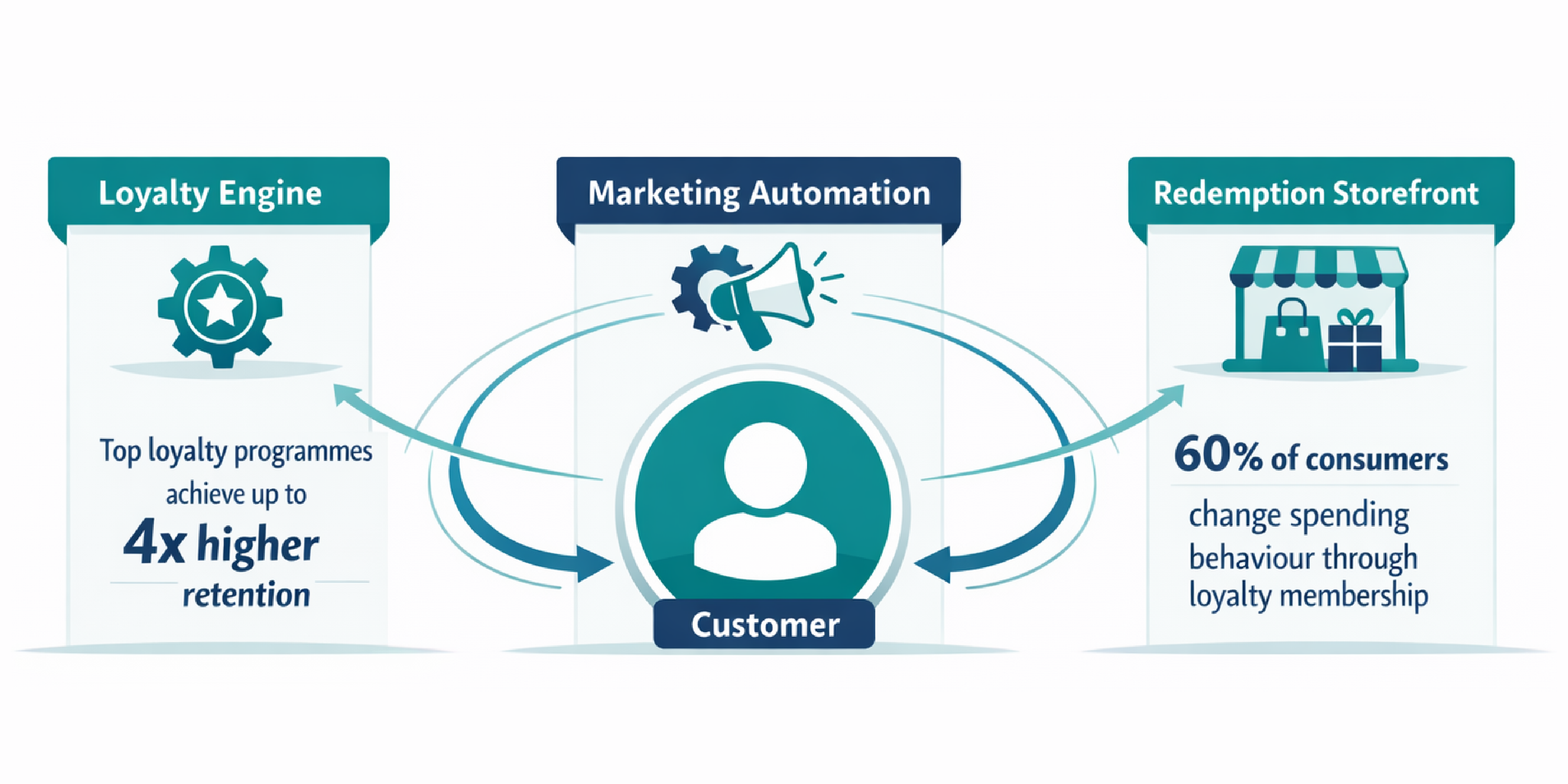
Customer loyalty has become significantly harder to earn. According to McKinsey's Australian Consumer Loyalty Survey, 60% of consumers changed their spending behaviour because of loyalty programme membership, while top-performing programmes achieved retention levels up to four times higher than lower-performing alternatives.
For CXOs, this creates a strategic challenge. Traditional points programmes often attract enrolments but fail to sustain engagement, increase customer lifetime value, or drive meaningful behavioural change. Customers now expect personalised experiences, relevant communication, and tangible redemption opportunities across every stage of their journey.
This article explains what Rekyndl is, how it combines loyalty management, marketing automation, and redemption capabilities in a single platform, and why organisations across BFSI, retail, hospitality, and automotive sectors are moving towards integrated loyalty ecosystems. The cost of getting loyalty wrong is substantial: rising acquisition costs, declining retention, and reduced customer lifetime value.
Why a Points Programme Alone Is No Longer Enough: The Case for End-to-End Loyalty
Many organisations still treat loyalty as a points accumulation exercise. Customers earn points, occasionally redeem rewards, and receive generic promotional messages. The problem is that points alone rarely create lasting emotional engagement.
According to Forrester, 88% of consumers who feel appreciated intend to stay with a brand, 83% plan to spend more, and 87% are likely to recommend the brand to others. Loyalty therefore depends on the entire customer experience rather than transactional rewards alone.
Modern Loyalty Requires Three Connected Elements
A high-performing loyalty ecosystem typically combines:
- Meaningful earning opportunities
- Personalised customer communication
- Accessible and desirable redemption experiences
McKinsey highlights that leading loyalty programmes increasingly integrate pricing, personalisation, and customer engagement strategies rather than operating as standalone rewards schemes.
Customer expectations have also evolved. Research from BCG shows that consumers now expect loyalty programmes to deliver greater relevance, flexibility, and value than previous generations of programmes.
Without journey orchestration, customers often accumulate points but never redeem them. McKinsey identifies redemption accessibility as one of the most important drivers of loyalty programme success, alongside personalised communication and partner ecosystem expansion.
The result is clear. Loyalty today is not simply a rewards mechanism. It is a customer growth strategy that spans acquisition, engagement, retention, advocacy, and reactivation.
What Rekyndl Does: Loyalty Engine, Marketing Automation, and Redemption Storefront in One Platform
Rekyndl is The Reward Store's end-to-end consumer loyalty marketing automation platform designed to help organisations manage the complete customer loyalty lifecycle from a single environment.
Rather than requiring multiple disconnected systems, Rekyndl combines three critical functions:
- Loyalty programme management
- Customer journey automation
- Integrated redemption storefront
This unified approach addresses a common CXO challenge: fragmented customer data and disconnected engagement experiences.
Loyalty Programme Builder
Organisations can design and launch loyalty programmes tailored to their business model, including:
- Points-based programmes
- Tier-based programmes
- Behavioural reward structures
- Referral initiatives
- Gamified engagement campaigns
McKinsey research shows that loyalty programmes significantly influence spending behaviour, purchase frequency, and brand preference when designed around customer value rather than simple transactions.
Customer Engagement Infrastructure
Rekyndl also enables customer segmentation and automated communication across multiple channels. This allows brands to engage customers based on actual behaviours rather than generic campaign calendars.
Redemption Ecosystem
The platform includes an integrated rewards marketplace that gives customers immediate opportunities to use earned points.
This matters because McKinsey identifies redemption flexibility as a major determinant of programme engagement and long-term participation.
For CXOs, the key advantage lies in operational simplicity. One platform manages earning, engagement, redemption, and performance measurement instead of requiring multiple technology investments.
The Built-In Marketing Automation Layer: What Customer Journey Triggers Are Available
Many loyalty programmes fail because customer engagement remains reactive rather than proactive.
Marketing automation solves this challenge by delivering communications based on customer behaviour, lifecycle stage, and engagement signals.
According to Gartner, customers who experience personalised interactions are 1.3 times more likely to complete a purchase.
Key Journey Triggers Available
Rekyndl supports automated journeys including:
- Welcome onboarding journeys
- First purchase campaigns
- Cart abandonment reminders
- Birthday and anniversary rewards
- Tier upgrade notifications
- Points expiry alerts
- Win-back campaigns
- Referral programme journeys
- Redemption reminders
Why Trigger-Based Loyalty Matters
Behavioural automation enables organisations to communicate at moments when customers are most receptive.
McKinsey reports that effective personalisation can increase revenue by up to 15% and improve marketing ROI by up to 30%.
Customer journey automation also reduces manual campaign management while improving consistency. Research on customer journey orchestration highlights that behaviour-driven engagement increases relevance because communication responds to actual customer actions rather than fixed schedules.
For CXOs focused on retention and lifetime value, automated engagement transforms loyalty from a periodic campaign into an always-on growth engine.
The Integrated Redemption Storefront: What Customers Can Actually Redeem Their Points For
A loyalty programme only creates value when customers perceive rewards as achievable and desirable.
McKinsey identifies redemption experience as one of the strongest drivers of programme participation and customer engagement.
Why Redemption Strategy Matters
Customers lose interest when:
- Redemption options are limited
- Reward thresholds feel unattainable
- Redemption processes become complicated
- Rewards lack personal relevance
By contrast, organisations that simplify redemption often increase programme engagement and repeat purchase behaviour.
Reward Categories Available Through Rekyndl
The integrated storefront provides access to:
- Gift cards from 5,000+ brands
- Flight bookings
- Hotel bookings
- Dining rewards
- Merchandise
- Experiences and activities
- Adventure rewards
- Sports and entertainment experiences
- Concierge services
This breadth allows organisations to serve diverse customer preferences across multiple geographies.
McKinsey's loyalty research shows that customers place particularly high value on programmes that provide tangible benefits and meaningful redemption opportunities.
The storefront model also helps organisations reduce operational overhead by centralising fulfilment, reward sourcing, and redemption management.
Rekyndl for BFSI, Retail, Hospitality, and Automotive: How It Adapts to Each Sector
Different industries create loyalty in different ways. The underlying platform must therefore support sector-specific engagement models.
BFSI
Banks, insurers, and financial institutions often focus on:
- Transaction-based rewards
- Card spend incentives
- Relationship tier programmes
- Referral campaigns
Customer segmentation and lifecycle automation help maintain engagement between major financial interactions.
Retail
Retail loyalty programmes typically prioritise:
- Repeat purchases
- Basket value growth
- Omnichannel engagement
- Personalised offers
McKinsey research shows that loyalty membership frequently changes spending behaviour and purchase frequency when rewards remain relevant and accessible.
Hospitality
Hospitality brands often combine:
- Stay frequency rewards
- Tier recognition
- Experience-based redemption
- Premium member benefits
Examples such as Marriott Bonvoy and World of Hyatt demonstrate how experiential benefits often complement points accumulation.
Automotive
Automotive organisations frequently focus on:
- Service retention
- Accessory purchases
- Dealer engagement
- Vehicle lifecycle communication
Because Rekyndl supports configurable rules, automated journeys, and flexible rewards, organisations can adapt programme mechanics to sector-specific customer behaviours rather than forcing a standardised model.
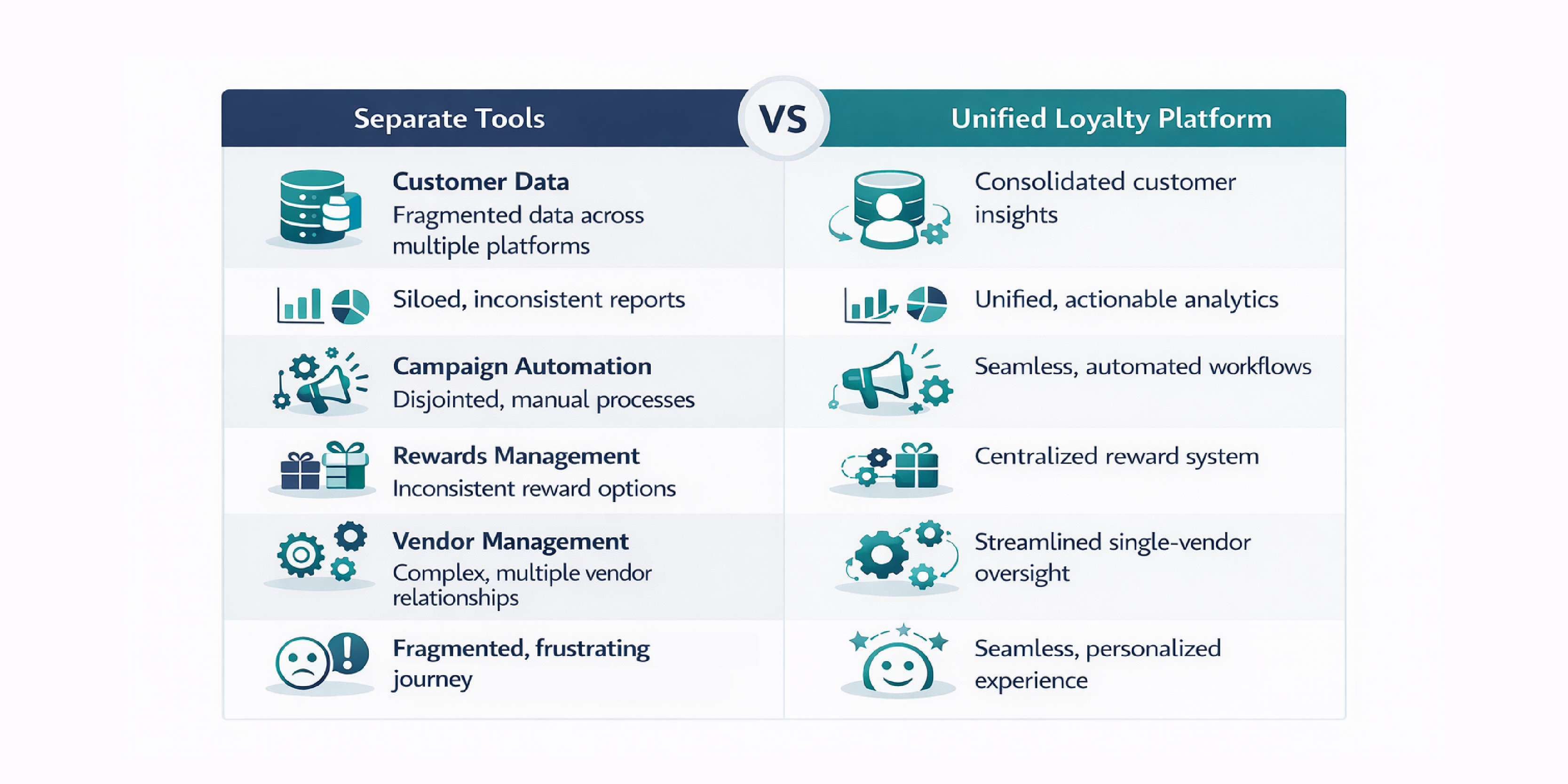
How Rekyndl Compares to Building a Loyalty Stack With Separate Tools
Many organisations initially assemble loyalty ecosystems using multiple specialised platforms. While this appears flexible, complexity often grows rapidly.
Decision Framework for CXOs
Consider a unified platform when:
- Multiple teams manage customer engagement
- Loyalty data sits in different systems
- Reporting requires manual consolidation
- Customer journeys span several channels
- Global reward fulfilment is required
Forrester emphasises that loyalty succeeds when brands connect engagement across the entire customer lifecycle rather than treating loyalty as an isolated initiative.
Similarly, McKinsey highlights that modern loyalty programmes create value when they integrate customer experience, personalisation, pricing, and rewards into a single strategic framework.
For many enterprises, the question is no longer whether loyalty technology matters. The question is whether disconnected systems can support modern customer expectations at scale.
Frequently Asked Questions
What is Rekyndl?
Rekyndl is an end-to-end consumer loyalty and marketing automation platform from The Reward Store. It combines loyalty programme management, customer journey automation, customer segmentation, gamification, and an integrated rewards storefront in a single solution. Organisations can manage customer engagement, retention, and redemption activities without relying on multiple platforms.
How is Rekyndl different from a traditional loyalty programme?
Traditional loyalty programmes typically focus on points accumulation and redemption. Rekyndl extends beyond rewards by incorporating customer journey automation, behavioural triggers, segmentation, gamification, and multi-channel engagement. This enables organisations to influence customer behaviour throughout the lifecycle.
Why do CXOs need marketing automation within a loyalty platform?
Marketing automation ensures customers receive timely and relevant communications based on actual behaviour. Gartner research indicates that personalised interactions increase purchase likelihood. Integrated automation helps organisations improve retention, engagement, and customer lifetime value while reducing manual effort.
Can Rekyndl support global loyalty programmes?
Yes. The Reward Store serves clients across more than 120 countries and provides access to a broad catalogue of rewards and experiences. This enables organisations to offer locally relevant redemption options while managing loyalty centrally.
When should an organisation move from separate loyalty tools to an integrated platform?
Organisations should evaluate consolidation when customer data becomes fragmented, reporting requires significant manual effort, or multiple vendors create operational complexity. An integrated platform often improves visibility, governance, and customer experience consistency.
Conclusion
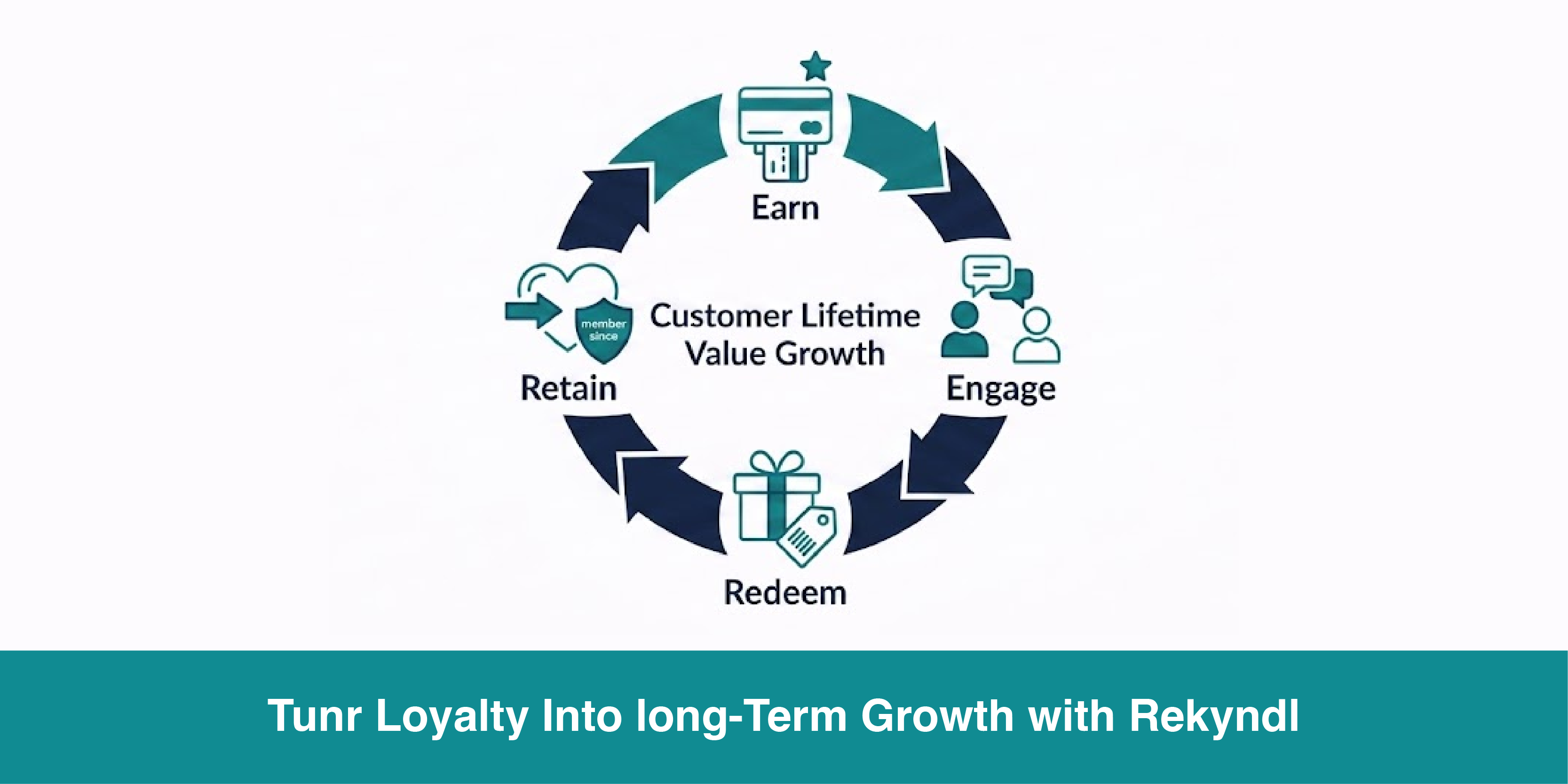
Customer loyalty has evolved far beyond points accumulation. Organisations now need connected experiences that combine rewards, personalisation, automation, and meaningful redemption opportunities across the entire customer lifecycle.
As customer expectations continue to rise, loyalty platforms will increasingly function as customer growth engines rather than standalone rewards systems. Rekyndl addresses this shift by bringing loyalty management, marketing automation, and redemption infrastructure together in a single environment.
See Rekyndl's end-to-end loyalty platform in action and discover how integrated loyalty and marketing automation can improve customer retention, engagement, and lifetime value.
Sign up for our newsletter for trending top content!


