
Why Transparency Matters in Incentive Programmes

Sign up for our newsletter for trending top content!
Introduction
Sales organisations with clear and transparent incentive programmes see significantly higher participation rates. According to Aberdeen Group, companies that maintain real-time visibility of rewards and progress report 25% higher engagement among sales teams. Transparency ensures that all participants understand the rules, the metrics, and their current standing, reducing confusion, distrust, and gaming of incentives.
This article explores why transparency is critical for incentive programme success, how real-time dashboards improve performance, the frameworks that support clear communication, and how technology can scale visibility without increasing administrative burden.
How Does Transparency Affect Participation Rates?
When incentive rules and progress are visible, participants are more likely to engage consistently. Gallup reports that employees are 21% more engaged when they have a clear understanding of how their performance impacts rewards.
Transparent programmes reduce ambiguity, ensuring everyone knows what actions contribute to outcomes. For example, a sales leader can compare real-time progress across regions to identify underperforming teams or individuals, enabling timely coaching and support.
Framework for transparency:
By providing clear visibility, organisations can prevent disengagement, enhance motivation, and sustain momentum throughout the programme lifecycle.
What Real-Time Visibility Provides to Partner Motivation
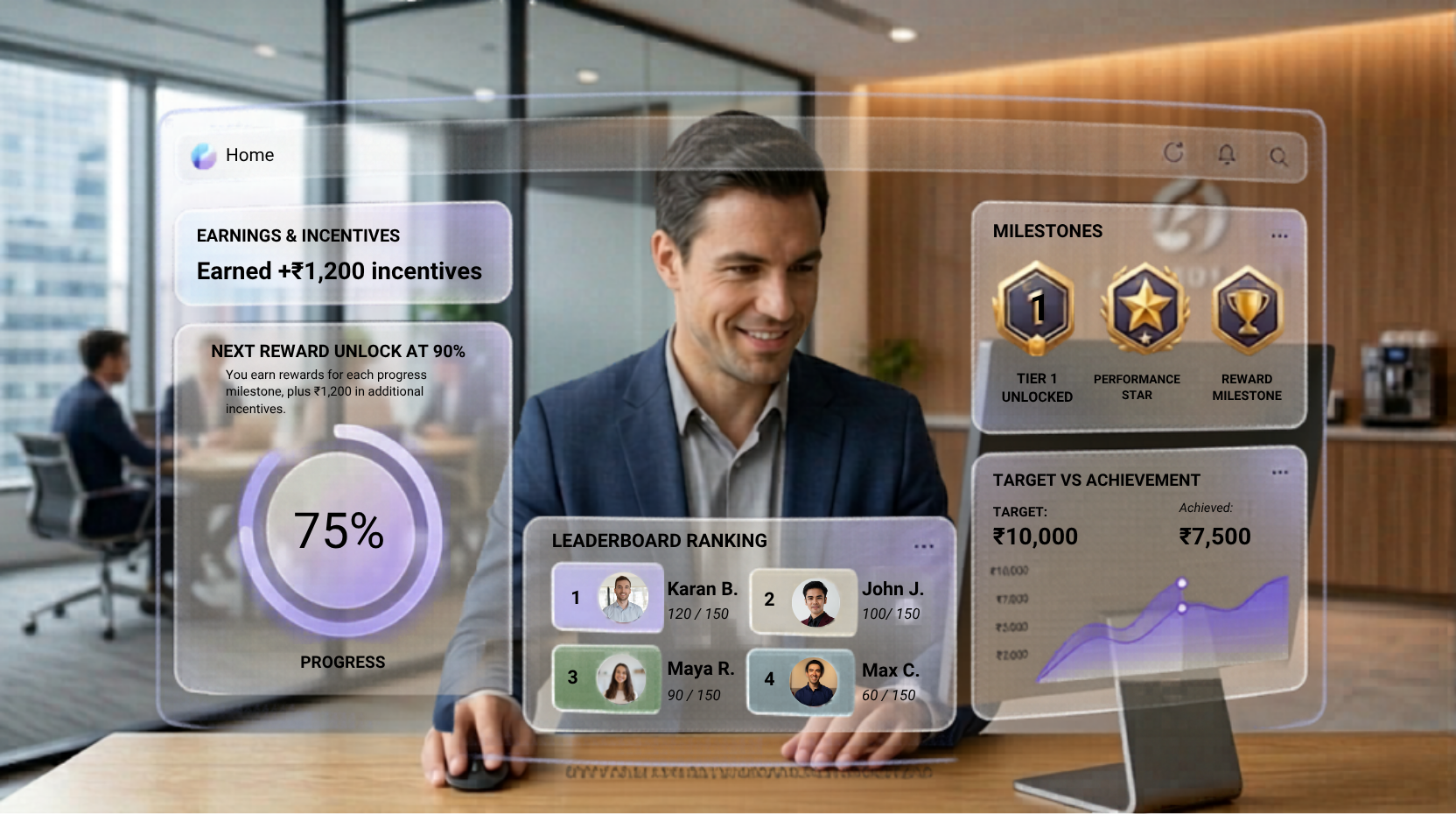
Real-time dashboards empower participants by showing progress against goals and expected rewards. Mercer indicates that visibility into performance metrics increases motivation by 18%, particularly in competitive environments.
Dashboards allow partners to understand where they stand, benchmark against peers, and prioritise activities for maximum reward impact. In addition, they help managers identify trends, anomalies, and areas where incentives may need adjustment.
Comparison of dashboard impact:
By integrating real-time dashboards like Paytives, organisations provide both motivation and actionable intelligence without adding administrative complexity.
How Transparent Incentives Reduce Disputes and Increase Trust
Transparency ensures participants understand why rewards are awarded and how metrics are calculated. Deloitte notes that unclear rules often lead to perceived unfairness, which decreases engagement and erodes trust.
Structured, transparent programmes provide clarity on reward calculations, thresholds, and timelines. When all participants have access to the same data, disputes are minimised, and trust in the programme and the organisation is reinforced.
Decision framework for clarity:
Transparent incentive structures support long-term partner and employee engagement, fostering loyalty and accountability.
What Metrics Should Be Shared Transparently?
To maximise engagement, share both individual and group performance metrics, as well as progress toward rewards. Forrester finds that when participants can track KPIs relevant to their goals, performance increases by up to 20%.
Key metrics for transparency include:
- Individual sales achieved vs. target
- Team or regional performance comparisons
- Reward tiers and progress toward milestones
- Activity-based KPIs tied to incentives
By openly sharing these metrics, organisations create alignment between performance and rewards, driving focused effort and higher results.
Frequently Asked Questions
What does transparency in an incentive programme mean?
Transparency means that all participants understand programme rules, criteria, and reward calculations. This clarity builds engagement and reduces perceived unfairness.
How does real-time visibility improve performance?
Real-time dashboards provide immediate feedback on progress, helping participants adjust their actions to meet targets and managers to provide timely support.
Can transparency reduce disputes among sales partners?
Yes, when rules and progress are visible and consistent, participants trust the process, minimising conflicts and encouraging fair competition.
How does Paytives help with transparency?
Paytives provides real-time dashboards, clear reward calculations, and automated progress updates, enabling participants and managers to track incentives effortlessly.
Conclusion
Transparency in incentive programmes is critical for participation, performance, and trust. Real-time visibility reduces confusion, prevents disputes, and strengthens engagement. By implementing clear rules and dashboards, organisations create a culture of accountability, motivation, and measurable results.
See how Paytives provides real-time visibility and analytics to optimise your incentive programmes. Explore Paytives features.
Sign up for our newsletter for trending top content!


