
How SaaS Companies Can Build Reseller Incentive Programmes That Actually Drive Indirect Revenue

Sign up for our newsletter for trending top content!
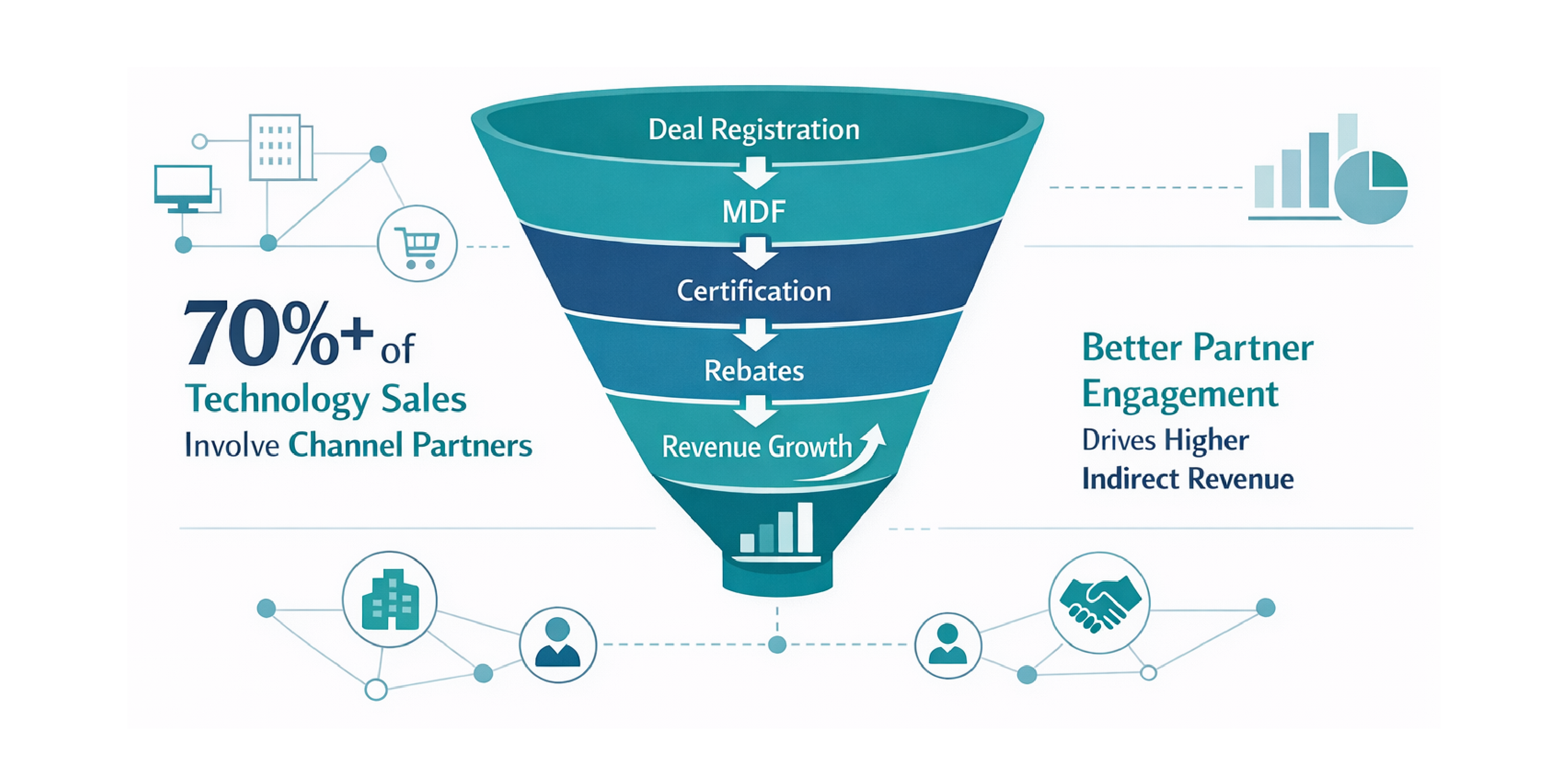
Indirect revenue often determines whether a SaaS company scales efficiently or stalls after its first growth phase. According to Forrester, more than 70% of global technology sales involve channel partners at some stage of the buying journey. Yet many SaaS vendors continue to struggle with reseller engagement, inconsistent deal flow, low MDF utilisation, and limited visibility into partner performance.
The result is simple. Vendors invest heavily in channel programmes but fail to influence reseller behaviour where it matters most. Sales leaders then face slower market expansion, weaker pipeline coverage, and missed revenue opportunities.
This article explores how SaaS companies can build reseller incentive programmes that genuinely motivate partners, improve indirect revenue performance, and create measurable channel accountability. We will examine rebates, MDF management, deal registration, certification incentives, and analytics frameworks that help channel ecosystems perform at scale.
Why Most SaaS Channel Programmes Fail to Activate Reseller Effort
Many reseller programmes fail because they reward transactions instead of behaviours. Partners rarely prioritise products that offer unclear incentives, delayed payouts, or complex programme structures.
According to Gartner research on channel effectiveness, partners allocate resources toward vendors that provide predictable profitability, clear engagement rules, and measurable support. When incentives become difficult to understand, reseller participation drops significantly.
Misaligned Incentives Create Channel Apathy
A common mistake involves rewarding only final sales outcomes. This approach ignores the activities that generate pipeline in the first place, including prospecting, demonstrations, certifications, and opportunity registration.
Forrester has consistently found that partner engagement increases when vendors reward multiple stages of the sales journey rather than focusing exclusively on closed revenue.
Common causes of channel underperformance include:
- Delayed rebate payments.
- Poor deal registration processes.
- Manual MDF approval workflows.
- Lack of performance visibility.
- Limited training incentives.
- One-size-fits-all reward structures.
The Cost of Inactive Partners
Bain & Company research shows that highly engaged channel ecosystems deliver stronger revenue growth and higher customer retention than fragmented partner networks.
For SaaS sales leaders, inactive partners represent more than missed sales. They create opportunity costs through slower market penetration, lower competitive visibility, and reduced customer acquisition efficiency.
Successful channel programmes focus on influencing partner behaviour before revenue appears. That principle underpins every high-performing reseller incentive strategy.
Back-End Rebates vs Front-End Discounts: What Actually Motivates VARs and Resellers
Many SaaS vendors default to front-end discounts because they appear simple. However, discounts often reduce perceived value while doing little to encourage long-term reseller commitment.
Research from the Incentive Research Foundation (IRF) shows that structured performance incentives consistently outperform blanket discounts when organisations seek sustained behavioural change.
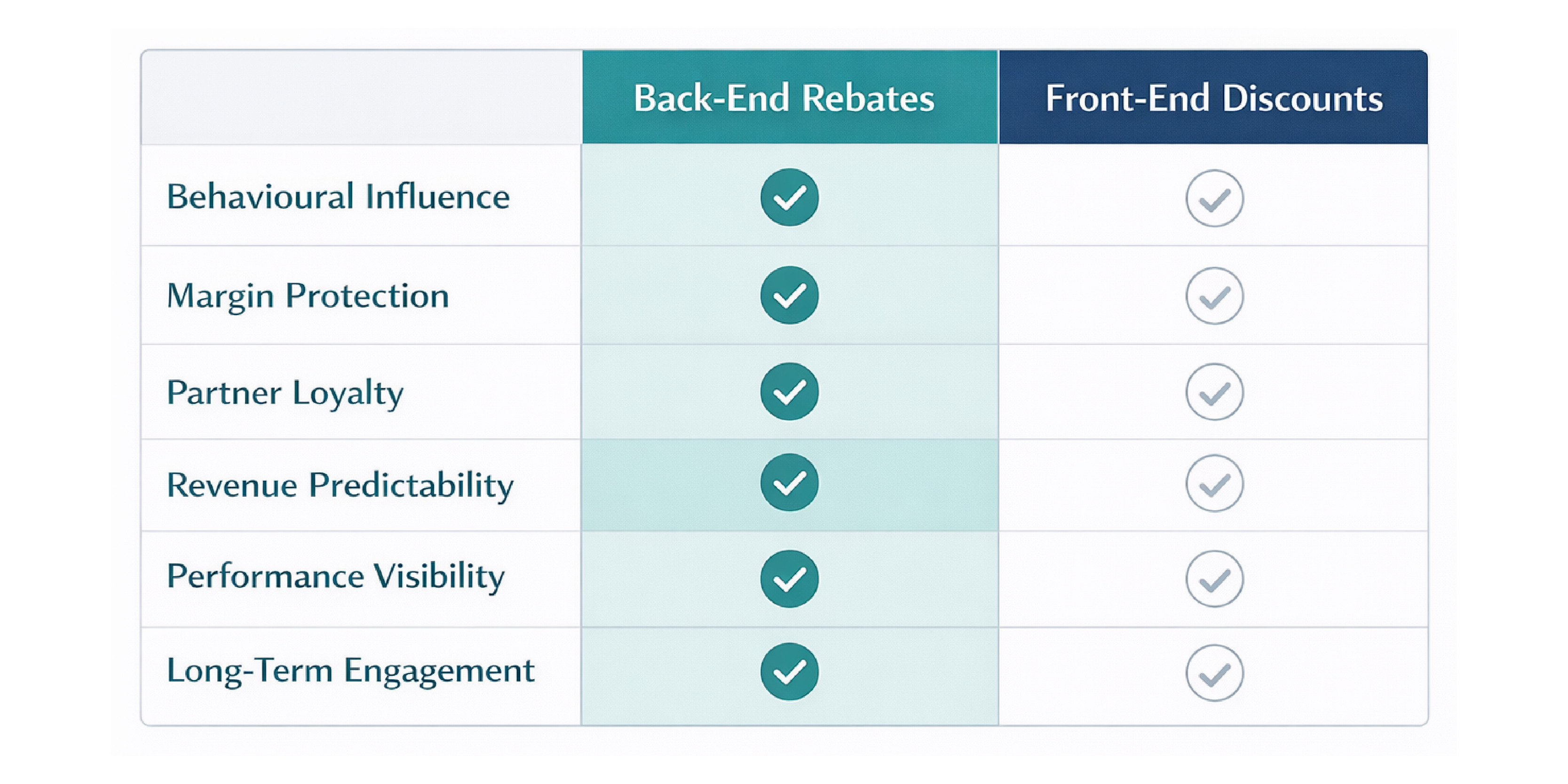
Comparing Incentive Approaches
Back-end rebates reward partners after achieving predefined targets. This structure encourages sustained effort, larger deal sizes, and ongoing engagement.
Why Rebates Drive Better Channel Behaviour
Resellers typically manage multiple vendor relationships. They naturally prioritise products that offer the greatest profitability potential.
When vendors tie rebates to measurable outcomes such as revenue targets, new customer acquisition, certification completion, or strategic product sales, partners have a clear reason to allocate additional resources.
This is where structured automation becomes important. Solutions such as Paytives help SaaS organisations automate incentive calculations, manage complex multi-tier partner structures, and provide transparent payout visibility across global reseller networks.
Instead of negotiating discounts deal by deal, sales leaders can build scalable incentive frameworks that align partner effort with strategic growth objectives.
How to Design Deal Registration Bonuses That Reward Genuine Pipeline Generation
Deal registration remains one of the most effective mechanisms for motivating partner-led pipeline creation. However, poorly designed programmes often reward volume rather than quality.
Gartner notes that channel conflict remains one of the largest barriers to partner engagement. Effective deal registration programmes reduce conflict while encouraging genuine opportunity development.
Principles of Effective Deal Registration
A strong deal registration framework should reward:
- First identification of qualified opportunities.
- New customer acquisition.
- Strategic account penetration.
- Product expansion opportunities.
- Early-stage sales activity.
Avoid rewarding duplicate registrations or low-quality submissions.
Build Tiered Bonus Structures
Not every opportunity creates equal value. Sales leaders should align rewards with pipeline quality and revenue potential.
Forrester research indicates that partners engage more consistently when incentive structures remain transparent and achievable.
Connect Rewards to Verification
Successful vendors validate opportunities before approval. Verification criteria may include customer qualification, budget confirmation, timeline assessment, and solution fit.
Automated workflows reduce disputes while increasing programme credibility. This creates stronger partner trust and encourages accurate pipeline reporting.
The objective is not simply collecting registrations. The objective is generating qualified revenue opportunities that convert into closed business.
MDF Programme Management: Why Spreadsheets Break and What to Use Instead
Market Development Funds (MDF) remain one of the most underutilised assets in SaaS channel programmes.
According to Aberdeen Group, organisations that actively manage MDF performance achieve stronger partner engagement and improved marketing return on investment compared with those using manual processes.
Yet many vendors still manage MDF through spreadsheets, email approvals, and disconnected reporting systems.
Why Spreadsheet-Based MDF Management Fails
Manual MDF administration creates several problems:
- Limited visibility into budget utilisation.
- Slow approval cycles.
- Poor compliance tracking.
- Difficulty measuring campaign outcomes.
- Increased administrative overhead.
As partner ecosystems expand, these challenges multiply.
The Modern MDF Management Framework
A scalable MDF programme should include:
- Centralised budget allocation.
- Automated approval workflows.
- Campaign submission tracking.
- Performance measurement.
- Compliance documentation.
- Real-time utilisation reporting.
Sales leaders need visibility into which MDF investments generate pipeline and which simply consume budget.
Platforms built specifically for channel incentive management allow organisations to connect MDF spending directly to outcomes. Through Paytives, SaaS companies can manage incentive programmes, MDF allocations, partner performance tracking, and global payouts through a unified environment.
For organisations looking to modernise broader channel operations, the IT and SaaS solution page provides additional insight into channel incentive management strategies:
https://www.therewardstore.com/paytives/solutions/it-saas
The goal is accountability. Every MDF pound, dollar, or rupee should contribute toward measurable pipeline generation.
Certification Incentives: The Overlooked Tool for Building Reseller Product Depth
Many SaaS vendors focus heavily on sales incentives while underinvesting in partner education.
This creates a predictable problem. Partners may know how to position the product superficially but struggle to articulate deeper value propositions during complex sales cycles.
According to McKinsey, capability development remains one of the strongest drivers of sustained organisational performance. The same principle applies within channel ecosystems.
Why Certification Matters
Certified partners often deliver:
- Higher win rates.
- Larger deal sizes.
- Faster sales cycles.
- Better customer onboarding outcomes.
- Improved retention performance.
Training strengthens confidence. Confidence improves sales effectiveness.
Incentivise Learning, Not Just Selling
Effective certification incentives may include:
- Points-based rewards.
- Tier advancement opportunities.
- Additional rebate eligibility.
- Recognition programmes.
- Exclusive MDF access.
This approach aligns knowledge development with commercial outcomes.
Create a Progressive Learning Path
Instead of offering a single certification, create multiple levels that encourage ongoing advancement.
For example:
- Foundation certification.
- Product specialist certification.
- Industry expert certification.
- Solution architect certification.
Research from Deloitte consistently shows that organisations investing in continuous learning outperform peers across multiple business metrics.
Resellers who understand products deeply create more value for customers and generate stronger long-term revenue.
How to Use Real-Time Channel Analytics to Identify and Act on Underperforming Resellers
Many sales leaders review partner performance quarterly. By then, the opportunity to intervene has often passed.
Gartner research highlights the growing importance of real-time analytics for improving channel productivity and revenue predictability.
Track Leading Indicators
Waiting for revenue reports creates blind spots.
Instead, monitor:
- Deal registrations.
- Certification activity.
- MDF utilisation.
- Pipeline creation.
- Opportunity conversion rates.
- Product mix performance.
These metrics reveal future revenue trends before sales outcomes appear.
Segment Partner Performance
Not all underperforming partners require the same intervention.
Create categories such as:
- High potential, low activity.
- High activity, low conversion.
- Strong performers.
- At-risk partners.
This segmentation helps sales leaders allocate resources more effectively.
Act Quickly and Consistently
Once performance gaps emerge, introduce targeted actions:
- Additional training.
- Temporary incentive accelerators.
- MDF support.
- Executive engagement.
- Marketing assistance.
Modern channel incentive platforms help organisations surface these insights automatically.
For organisations managing global partner ecosystems, combining analytics, incentives, MDF, and payout automation within a single platform creates stronger visibility and faster decision-making.
You can also explore how reward-based engagement strategies influence performance through The Reward Store's employee recognition platform:
https://www.therewardstore.com/applaudiq
Frequently Asked Questions
What is a SaaS reseller incentive programme?
A SaaS reseller incentive programme rewards channel partners for behaviours that contribute to revenue growth. These behaviours may include new customer acquisition, deal registration, certifications, MDF participation, and revenue achievement. The objective is to influence partner effort and prioritisation. Effective programmes align partner profitability with vendor growth goals.
How do MDF programmes improve channel revenue?
MDF programmes help partners fund demand generation activities such as events, campaigns, webinars, and local marketing initiatives. When vendors track MDF performance effectively, they can connect spending directly to pipeline outcomes. This improves accountability and marketing return on investment. Strong MDF governance also increases partner engagement.
Why are back-end rebates more effective than discounts?
Back-end rebates reward measurable performance after partners achieve predefined objectives. Unlike discounts, they encourage sustained engagement and protect margins. Partners often prioritise vendors that offer transparent performance-based earnings opportunities. This creates stronger long-term loyalty.
When should SaaS companies automate reseller incentive management?
Companies should automate incentive management once they operate across multiple partners, regions, currencies, or incentive structures. Manual administration becomes increasingly difficult as programmes grow. Automation improves accuracy, visibility, compliance, and partner trust. It also reduces administrative effort for channel teams.
Can Paytives manage rebates, MDF, and partner payouts together?
Yes. Paytives enables SaaS organisations to manage incentive design, MDF allocation, partner performance tracking, incentive calculations, and global payouts through a unified platform. This creates greater visibility across the entire channel ecosystem while reducing operational complexity.
Conclusion
The most successful SaaS reseller incentive programmes do not rely on discounts or generic rewards. They shape partner behaviour through structured rebates, effective MDF governance, certification incentives, transparent deal registration, and real-time analytics.
As channel ecosystems become more complex, sales leaders will increasingly depend on automation and data visibility to maintain partner engagement at scale. Organisations that invest in these capabilities now will position themselves for stronger indirect revenue growth in the years ahead.
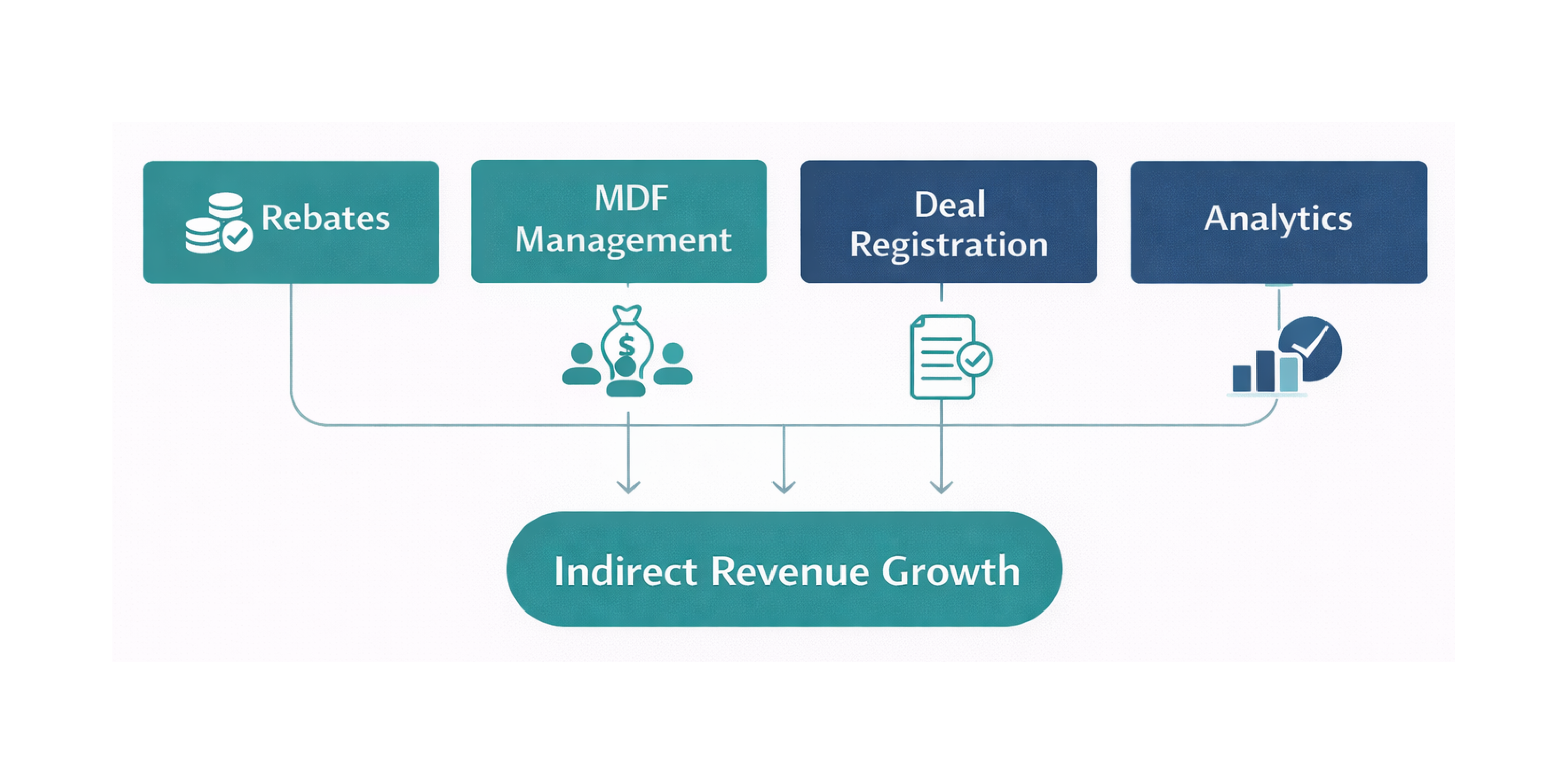
See how Paytives helps SaaS companies manage reseller rebates, MDF, deal registration, partner analytics, and global payouts in one platform:
Sign up for our newsletter for trending top content!


