
How Do Manager Dashboards Improve Recognition Programmes?

Sign up for our newsletter for trending top content!
Employees who receive feedback and recognition from their manager at least once a week report 61 per cent engagement, compared with 38 per cent among employees who receive weekly feedback but less frequent recognition, according to Gallup. Yet managers often lack a clear view of who they have recognised, which teams receive little appreciation, and whether recognition reflects organisational values.
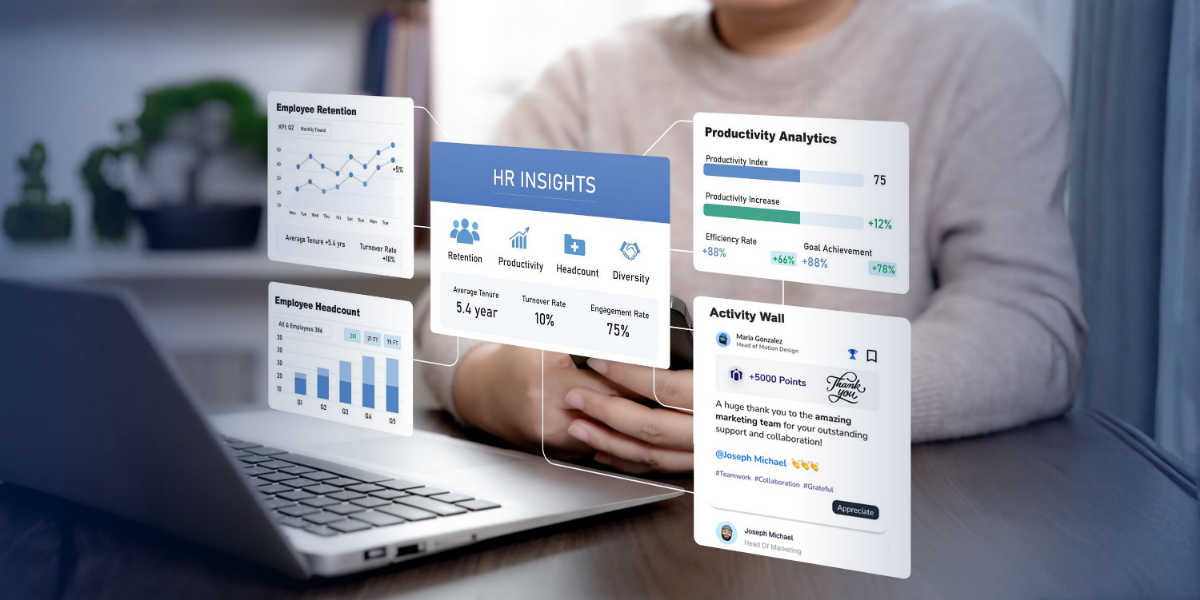
Manager dashboards address this visibility gap. They convert recognition activity into practical information about frequency, participation, coverage, budgets, milestones, and potential bias. Instead of asking managers to remember every contribution, dashboards show where action may be needed.
For HR Leaders, the value lies in behaviour change. A well designed dashboard helps managers recognise employees more consistently, while giving HR the evidence required to improve programme fairness, adoption, and business alignment.
What Role Do Manager Dashboards Play in Recognition Programmes?
A manager dashboard gives leaders a structured view of recognition activity within their team. It brings together information that managers would otherwise need to reconstruct from emails, meetings, employee records, and personal memory.
The dashboard should not replace managerial judgement. Its purpose is to direct attention towards recognition opportunities, participation gaps, upcoming milestones, and patterns that require review.
Gallup states that effective recognition should remain honest, authentic, and individualised to the employee. A dashboard supports this principle by giving managers better context, but the manager must still explain what the employee contributed and why it mattered.
A useful manager dashboard typically supports three responsibilities:
- Prompt action: It reminds managers about unrecognised employees, recent achievements, birthdays, work anniversaries, or other relevant moments.
- Improve consistency: It shows whether recognition occurs regularly or remains concentrated around annual reviews and major events.
- Support accountability: It helps HR and managers assess whether recognition reaches the full team fairly.
The existing Reward Store guidance identifies manager dashboards as a tool for improving programme participation through clear, real time visibility into team activity.
Dashboards therefore work as management tools, not merely reporting screens. Their value depends on whether the information leads to timely and meaningful recognition.
What Should a Manager Recognition Dashboard Show?
A manager recognition dashboard should show enough information to support action without overwhelming the manager. More data does not automatically improve decision making. The dashboard should prioritise measures that answer clear management questions.
Gallup reports that employees respond most strongly to recognition that feels authentic, timely, and suited to their preferences. The dashboard should therefore provide context rather than reduce recognition to a numerical target.
HR Leaders should also limit sensitive information according to role. Managers need visibility into their teams, while HR may require organisation wide analytics for governance and workforce planning.
How Do Dashboards Change Manager Recognition Behaviour?
Dashboards change manager behaviour by making invisible patterns visible. Without data, a manager may believe that they recognise employees frequently and fairly. The activity record may show long gaps, uneven distribution, or excessive reliance on the same recognition type.
Gallup reports that feedback becomes more valuable when managers combine it with frequent recognition. Employees who receive weekly recognition alongside feedback show materially higher engagement than those who receive frequent feedback but less recognition.
Dashboards can influence behaviour through the NOTICE framework:
N: Notice Recognition Gaps
The dashboard identifies employees who have received little or no recognition during a defined period.
O: Observe Patterns
Managers can compare recognition across roles, locations, projects, or employee groups.
T: Trigger Timely Action
Alerts bring birthdays, anniversaries, project milestones, and recent achievements to the manager’s attention.
I: Individualise the Message
Employee preferences and achievement context help managers choose appropriate wording, visibility, and reward value.
C: Connect Recognition to Purpose
Values and performance categories help managers link appreciation to the behaviours the organisation wants to reinforce.
E: Evaluate Progress
Managers can see whether recognition becomes more frequent, inclusive, and relevant over time.
Dashboards should prompt thoughtful behaviour, not mechanical activity. A manager who sends generic praise merely to improve a metric may reduce trust. HR should therefore combine dashboard prompts with manager training on specificity, fairness, and employee preferences.
How Can Dashboards Reveal Recognition Gaps and Bias?
Recognition often reflects visibility rather than contribution. Employees who work near senior leaders, speak frequently in meetings, or lead prominent projects may receive more appreciation than colleagues whose work occurs behind the scenes.
A dashboard can help HR and managers examine this risk by comparing recognition activity across department, location, seniority, employment type, gender, tenure, or working arrangement. HR should use these comparisons carefully and in line with applicable data protection requirements.
Gallup found that only 22 per cent of employees strongly agree that they receive the right amount of recognition for their work. It also reports that employees who receive high quality recognition are 45 per cent less likely to leave their organisation over a two year period. These findings make recognition coverage a workforce risk indicator, not merely a programme engagement metric.
Managers should investigate patterns rather than draw immediate conclusions. Low recognition within one group may result from poor platform access, inconsistent manager participation, remote working arrangements, unclear eligibility, or genuine differences in recorded activity.
A practical review should ask:
- Does every employee have an equal opportunity to receive recognition?
- Do managers recognise outcomes, effort, teamwork, and values consistently?
- Are remote, frontline, and support employees sufficiently visible?
- Does one group receive mainly low value recognition while another receives funded awards?
- Do employees understand how to recognise colleagues?
The Reward Store’s guide to recognition analytics and workforce insight explains how HR can use recognition data to identify participation patterns and potential workforce concerns.
How Should HR Balance Dashboard Metrics With Meaningful Recognition?
Dashboards create risk when organisations turn recognition into a compliance exercise. A target such as “send five recognition messages every week” may increase activity while reducing authenticity.
Gallup emphasises that effective recognition must remain individualised, honest, and meaningful. Managers need to understand how each employee prefers to receive appreciation, including whether they value public acknowledgement, private feedback, development opportunities, or a tangible reward.
HR Leaders should separate activity measures from quality measures.
Managers should use dashboard data as a prompt for reflection. Before recognising someone, they should ask three questions:
- What exactly did the employee do?
- How did the contribution help a colleague, customer, team, or business objective?
- How would this employee prefer to receive recognition?
This approach protects the human value of appreciation while retaining the operational benefits of measurement.
HR can reinforce quality by sharing examples, training managers, reviewing employee feedback, and tracking whether recognition messages connect clearly to contribution and impact.
Which Dashboard Alerts Should HR Prioritise?
A dashboard should prioritise alerts that lead to useful action. Too many notifications can cause managers to ignore all of them, while weak alerts may create recognition without a genuine reason.
HR Leaders can use the following decision guide:
Gallup’s research supports frequent manager conversations that include recognition, collaboration, goals, priorities, and employee strengths. Brief weekly conversations can remain effective when managers focus on meaningful content.
Alerts should therefore support existing management habits. They should help managers prepare for one to one meetings, team reviews, project completions, onboarding discussions, and performance conversations.
How Can HR Measure Whether Manager Dashboards Are Working?
HR should measure dashboard effectiveness through manager behaviour, recognition quality, employee coverage, and workforce outcomes. Login rates alone reveal whether managers opened the dashboard, not whether they used it well.
A balanced scorecard can include:
Gallup’s longitudinal research found that well recognised employees were 45 per cent less likely to have left their organisation after two years. HR should not assume that dashboard use alone caused any change, but recognition data can support deeper analysis alongside engagement, retention, absence, and manager effectiveness measures.
The Reward Store’s article on presenting employee recognition return on investment provides further guidance on connecting activity data with workforce and commercial outcomes.
HR should review results by business unit and manager group. This helps distinguish organisation wide programme issues from local coaching or adoption needs.
How Does ApplaudIQ Support Managers With Recognition Tools?
ApplaudIQ’s manager toolkit gives managers a structured way to recognise employees, monitor activity, manage awards, and respond to milestones. It helps HR move recognition from informal memory to a more consistent and measurable process.
The toolkit can support manager led recognition, custom awards, milestone automation, peer appreciation, reward management, and recognition analytics. ApplaudIQ also connects employees to The Reward Store’s integrated storefront, which includes gift cards from 5,000 plus brands, flights, hotels, dining, golf, sports, experiences, merchandise, bus bookings, and concierge services.
For managers, the practical benefit lies in visibility and action. They can identify employees who may have received insufficient recognition, review team activity, acknowledge relevant achievements, and use available budgets within programme rules.
For HR, centralised data supports governance across departments, locations, and employee groups. It can help teams examine manager participation, recognition distribution, programme adoption, milestone completion, and reward usage.
The platform should sit within a broader recognition strategy. HR still needs clear eligibility rules, manager training, privacy controls, employee preference data, and a process for reviewing fairness.
ApplaudIQ provides the operating structure. Managers create the impact by delivering timely, specific, and credible appreciation.
Frequently Asked Questions
What Should a Manager Recognition Dashboard Show?
A manager recognition dashboard should show recognition frequency, employee coverage, upcoming milestones, values alignment, reward budgets, participation trends, and potential recognition gaps. It should highlight the actions a manager may need to take rather than display data without context.
How Do Dashboards Change Manager Recognition Behaviour?
Dashboards make recognition patterns visible and prompt managers to act closer to the moment of contribution. They can show which employees receive regular appreciation, who may have been overlooked, and whether recognition reflects organisational priorities.
Why Do Managers Need Recognition Analytics?
Recognition analytics help managers compare perception with actual behaviour. A manager may believe they recognise the team consistently, while the data may reveal long gaps, uneven distribution, or limited recognition for remote and supporting employees.
When Should HR Review Manager Dashboard Data?
HR should review high level data monthly or quarterly, with more frequent checks during programme launches or major organisational changes. Managers should use their own dashboards regularly, particularly before one to one meetings, project reviews, and milestone dates.
Can Dashboards Create Unfair Recognition Targets?
Yes. Activity quotas can encourage managers to send generic or unnecessary recognition. HR should measure quality, timeliness, coverage, and employee perception alongside message volume.
Can ApplaudIQ Support Manager Led Recognition?
Yes. ApplaudIQ supports manager led awards, recognition analytics, milestone automation, peer appreciation, budget management, and flexible reward options. Its manager toolkit helps managers identify recognition opportunities and act through a structured workflow.
Conclusion
Manager dashboards improve recognition programmes by turning fragmented activity into clear prompts, patterns, and management actions. They help managers identify overlooked employees, respond to milestones, monitor fairness, and connect appreciation to organisational values. Their impact depends on how HR balances measurement with authenticity, because recognition should never become a numerical compliance task. As workforce analytics become more sophisticated, manager dashboards will play a larger role in making recognition consistent, inclusive, and accountable.
Sign up for our newsletter for trending top content!


