
Corporate merchandise vs gifts: which drives stronger employee engagement?

Sign up for our newsletter for trending top content!
Introduction
Gallup’s 2024 State of the Global Workplace report found that employees who feel recognised are 4.6 times more likely to perform at their best. Recognition directly impacts retention, productivity, and organisational culture. Yet HR leaders frequently debate whether to invest in corporate merchandise or personalised gifts.
This guide helps HR Leaders make evidence-based decisions by comparing both options across emotional impact, personalisation, perceived value, sustainability, and cost. It provides a clear framework to choose what best fits your people strategy and budget, ensuring recognition programmes maximise engagement and ROI.
What is the core difference between corporate merchandise and gifts?
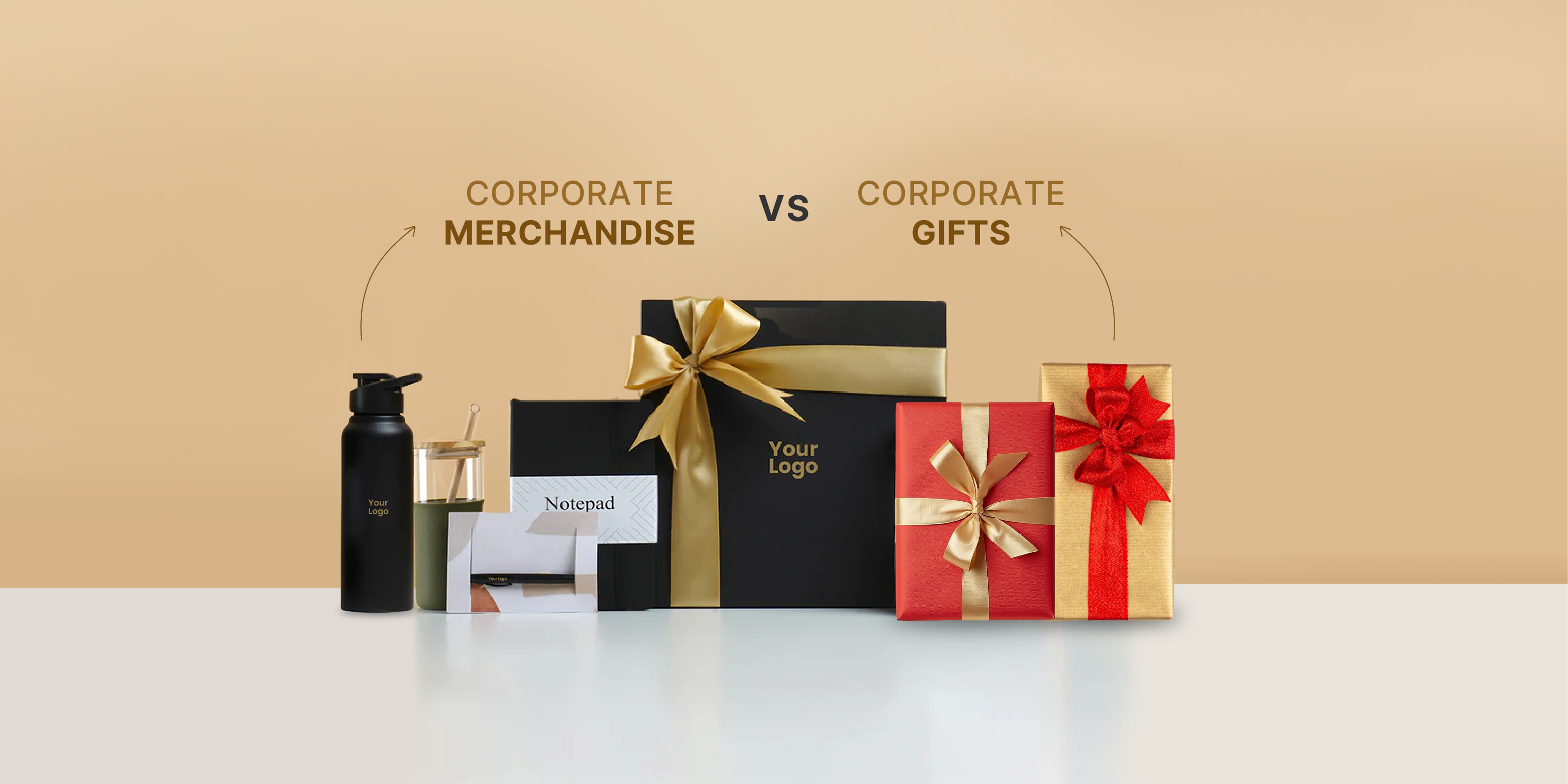
Corporate merchandise and gifts serve distinct purposes: merchandise builds brand identity, whereas gifts recognise individual contributions.
Understanding these distinctions allows HR leaders to align recognition strategies with organisational goals and employee expectations.
Which delivers higher employee engagement?
O.C. Tanner’s 2023 Global Culture Report highlights that recognition increases engagement by 31% and retention by 30%.
The type of reward significantly influences this impact:
- Choice-based gifts have the highest emotional impact as they respect individual preferences.
- Merchandise strengthens collective identity and culture when used creatively.
- Hybrid programmes combining both deliver the strongest overall outcomes.
Relevance is key: employees value rewards that feel personal, timely, and meaningful.
How do cost, scalability, and ROI compare?
Deloitte’s 2023 Global Human Capital Trends report emphasises that organisations must achieve more with less.
ROI considerations extend beyond upfront cost:
- Merchandise typically has lower unit cost and is highly scalable.
- Gifts may cost more per person but offer higher perceived value and stronger behavioural impact.
- ROI improves when rewards align with performance outcomes and employee preferences.
Decision guide: use low-cost merchandise for broad engagement and high-impact gifts for performance-linked recognition.
How should HR leaders choose the right option? A simple decision framework
- Define the Objective – Clarify if the goal is brand visibility, culture building, performance recognition, or retention.
- Know Your Audience – Understand employee demographics, preferences, and values.
- Map the Moment – Align rewards with onboarding, milestones, achievements, or festive occasions.
- Evaluate Impact vs Cost – Assess emotional impact, usage likelihood, and total programme cost.
- Measure and Optimise – Track engagement, satisfaction, and behavioural outcomes to improve continuously.
This framework helps HR Leaders choose a strategic mix that maximises engagement and ROI.
Frequently Asked Questions
What is the difference between corporate merchandise and corporate gifts?
Merchandise promotes brand identity and unity, such as apparel or desk items. Gifts recognise individual achievements or milestones and are more personalised and value-driven.
Which is better for employee recognition?
Gifts generally have higher emotional impact and motivate employees more effectively. Merchandise works best for onboarding, events, and culture-building initiatives.
How do I decide when to use merchandise vs gifts?
Use merchandise for collective moments and brand-building, and gifts for performance recognition, milestones, and occasions where personal impact matters most.
Can I combine merchandise and gifts in one programme?
Yes. A balanced hybrid approach across the employee journey enhances both belonging and motivation, driving maximum engagement and ROI.
Conclusion
There is no one-size-fits-all answer. Merchandise strengthens culture and brand identity, while gifts drive emotional connection and engagement. The most effective recognition programmes strategically combine both, aligned with organisational goals and employee preferences.
Platforms like The Reward Store enable HR leaders to deliver branded merchandise and meaningful gifts seamlessly at scale, backed by choice, personalisation, and global fulfilment.
Explore The Reward Store’s physical gifting solutions for branded merchandise and meaningful employee rewards. Deliver recognition that drives engagement and retention.
https://www.therewardstore.com/physical-gifting
Sign up for our newsletter for trending top content!


