
Why Rule Engines Are Critical in Modern Incentive Platforms

Sign up for our newsletter for trending top content!
Introduction
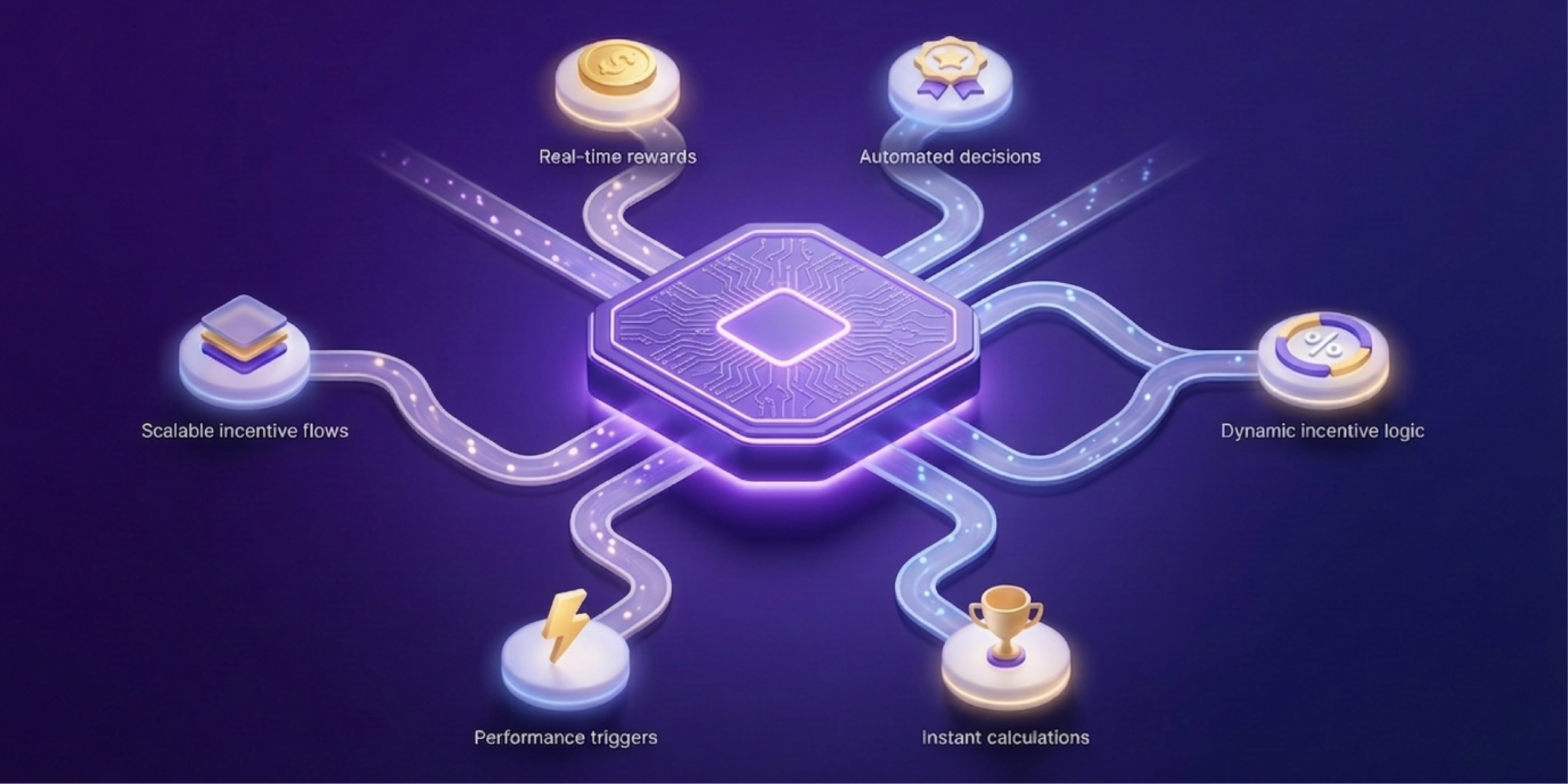
According to Aberdeen Group, organisations that leverage dynamic rule engines in incentive programmes report 30–35% higher participation rates. Modern sales and partner incentive programmes are complex, with multiple tiers, targets, and reward types. Without automated, configurable rule engines, programmes risk inconsistency, errors, and reduced motivation.
For Sales Leaders, understanding the role of rule engines is critical to achieving accurate reward calculations, ensuring fairness, and optimising engagement. This article explores what rule engines are, how they drive outcomes, the consequences of missing rule automation, and how technology like Paytives supports modern incentive programmes.
How Do Rule Engines Improve Incentive Programme Accuracy?
Rule engines automate reward calculations based on predefined criteria, reducing manual errors and improving transparency. Deloitte research highlights that organisations with automated rule engines experience 25% fewer reward discrepancies compared to manual systems.
By reducing manual intervention, Sales Leaders can focus on strategy rather than reconciliation.
Why Do Dynamic Rules Boost Engagement?
Dynamic rules adapt to real-time performance, rewarding behaviours that matter most. McKinsey notes that programmes with adaptive rules see a 20–30% increase in motivation and completion rates.
Dynamic rule engines also allow segmentation by region, product, or partner type, ensuring equitable reward allocation across complex networks.
What Happens Without a Rule Engine?
Manual or static incentive programmes risk errors, inconsistencies, and demotivation. SHRM research indicates that 40% of incentive programme failures are tied to incorrect or delayed reward calculations.
Consequences include:
- Participant frustration and decreased motivation
- Increased administrative overhead for managers
- Inaccurate reporting and compliance issues
- Reduced ROI due to disengaged participants
Rule engines mitigate these risks by standardising reward logic, automating complex calculations, and providing transparent dashboards for participants and managers.
How Do Rule Engines Support Programme Scalability?
Rule engines enable incentive programmes to scale efficiently. Forrester highlights that organisations using configurable rules can manage larger participant pools without proportional increases in administrative effort.
Platforms like Paytives provide built-in rule engines that allow Sales Leaders to deploy scalable, accurate, and flexible incentive programmes.
Frequently Asked Questions
What is a rule engine in an incentive platform?
A rule engine is software that automates reward calculations, enforces conditions, and ensures accurate, fair outcomes for all participants.
How do dynamic rules improve programme outcomes?
Dynamic rules adapt in real-time to participant behaviour, driving engagement, motivation, and accurate reward allocation.
What happens without a rule engine?
Manual or static programmes are prone to errors, inconsistencies, and participant dissatisfaction, lowering overall engagement and ROI.
Can Paytives help manage rule-based incentives?
Yes, The Reward Store’s Paytives platform includes a configurable rule engine to automate complex incentive logic and improve programme scalability.
Conclusion
Rule engines are the backbone of modern incentive programmes, ensuring accuracy, transparency, and engagement. They reduce errors, support complex programme structures, and enable scalability across participants and regions. Sales Leaders can leverage platforms like Paytives to implement flexible, high-performing incentive programmes that drive measurable results.
Optimise your incentive programmes with automated rule engines: Explore Paytives
Sign up for our newsletter for trending top content!


