
How Loyalty Programmes Are Using Predictive Models to Anticipate Customer Behaviour

Sign up for our newsletter for trending top content!
Introduction
According to Forrester, loyalty programmes using predictive analytics see a 25–30% increase in redemption rates compared to static programmes. Predictive models allow marketers to anticipate customer actions, optimise reward timing, and personalise offers based on behavioural patterns.
For Marketing Leaders, understanding and implementing predictive analytics is crucial to increase engagement, reduce churn, and deliver rewards that truly resonate. This article explores how predictive models work, the data they require, their impact on loyalty programme performance, and how platforms like Rekyndl enable predictive, data-driven loyalty strategies.
What Are Predictive Models in Loyalty Programmes?
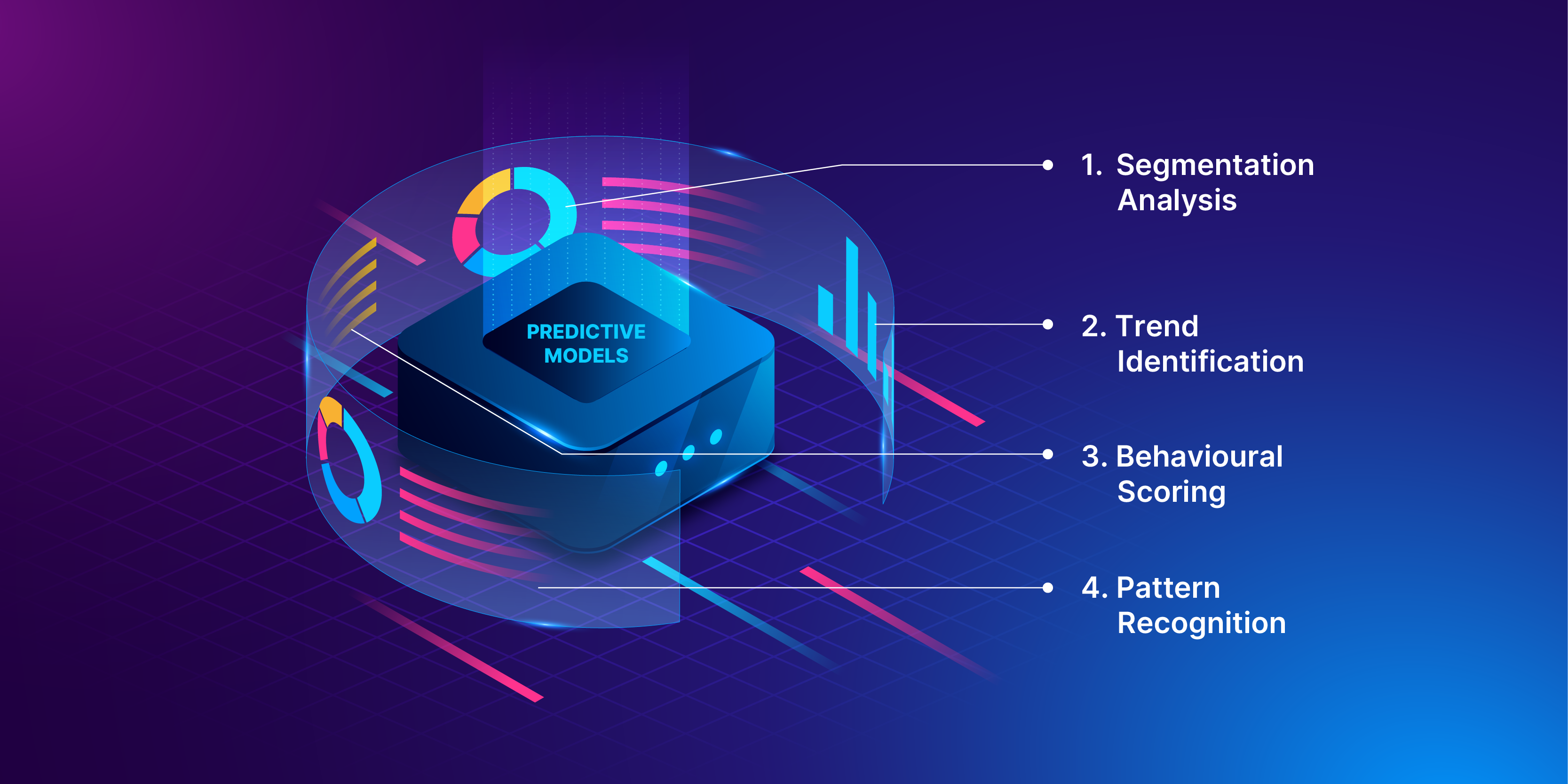
Predictive models use historical customer data to forecast future behaviour. McKinsey highlights that organisations leveraging predictive analytics for loyalty can anticipate purchase frequency, likely churn, and reward preference.
By applying machine learning algorithms to transactional and behavioural data, predictive models convert insights into actionable loyalty programme decisions.
How Do Predictive Models Enhance Personalisation?
Personalisation improves engagement by delivering the right reward, to the right customer, at the right time. Aberdeen Group shows that 71% of customers are more likely to redeem rewards when offers align with past behaviour.
Predictive analytics allow marketers to tailor loyalty journeys based on individual engagement patterns, reinforcing positive behaviours and increasing repeat interactions.
What Data Inputs Are Needed for Accurate Predictions?
Effective predictive loyalty models rely on a combination of historical, transactional, and behavioural data. Bain & Company highlights that successful programmes integrate:
- Transaction history (purchases, redemption)
- Customer engagement metrics (logins, clicks, interactions)
- Demographics and segmentation
- External factors (seasonality, campaigns)
Integrating these inputs allows platforms like Rekyndl to dynamically adjust campaigns, optimise reward allocation, and maximise ROI.
What Are the Benefits of Predictive Loyalty Models?
Predictive models create measurable improvements across engagement, retention, and ROI. Deloitte reports that predictive programmes reduce churn by up to 15% and increase loyalty programme satisfaction by 20%.
These insights enable loyalty managers to make informed decisions that enhance programme performance while controlling costs.
Frequently Asked Questions
What is predictive loyalty?
Predictive loyalty uses analytics and machine learning to forecast customer behaviour, enabling targeted rewards and personalised programme experiences.
How do AI models improve loyalty programme performance?
AI-driven models anticipate purchases, engagement, and churn, allowing marketers to deliver the right rewards at the right time, boosting redemption and retention.
What data inputs are required for predictive models?
Successful predictive programmes combine transactional data, engagement metrics, demographic details, and behavioural trends to forecast outcomes accurately.
Can Rekyndl support predictive loyalty campaigns?
Yes, The Reward Store’s Rekyndl platform integrates predictive analytics into loyalty campaigns, automating customer journeys and optimising reward targeting.
Conclusion
Predictive models transform loyalty programmes from reactive to proactive systems, enabling marketers to anticipate customer needs, personalise rewards, and improve engagement. Platforms like Rekyndl provide the tools to operationalise predictive insights, drive higher redemption rates, and maximise programme ROI.
Enhance your loyalty programme with predictive analytics: Explore Rekyndl
Sign up for our newsletter for trending top content!


